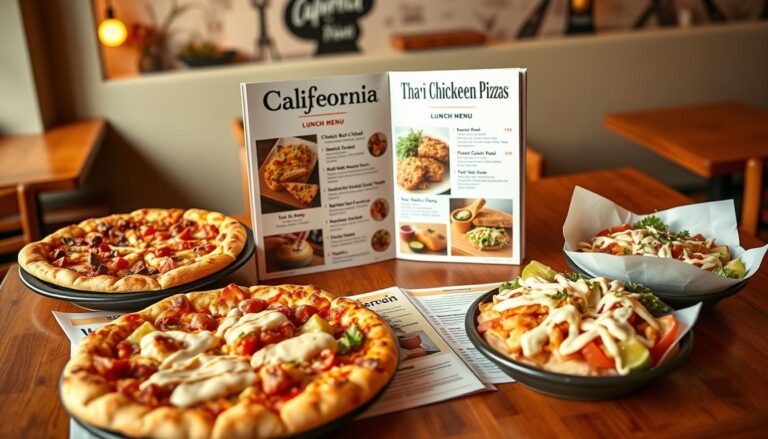
California Pizza Kitchen Menu Nutrition: Facts, Calories, and More
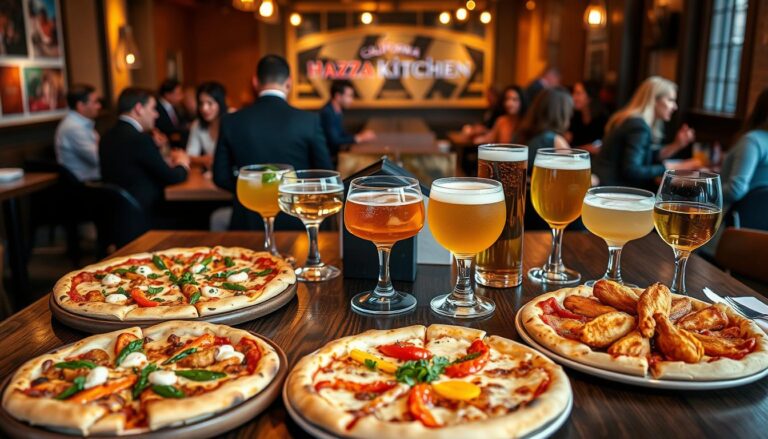
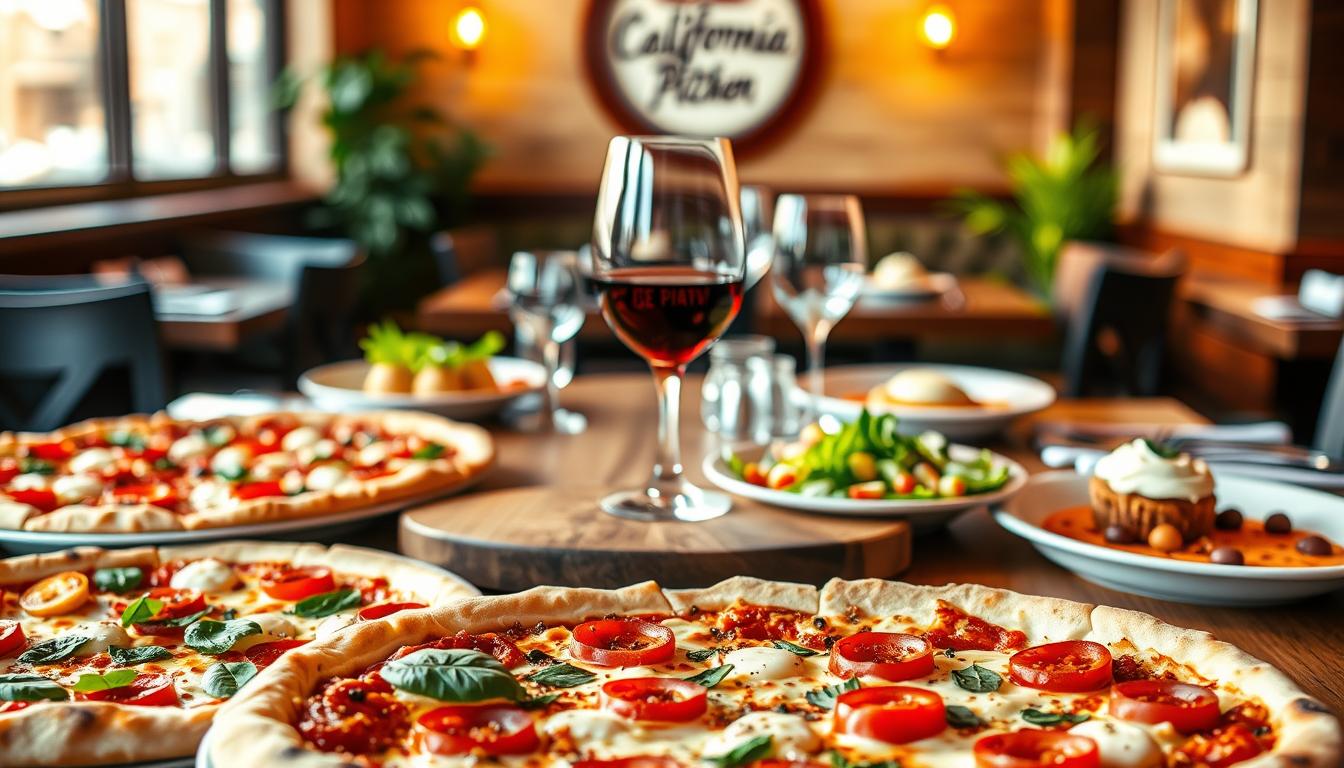
california pizza kitchen menu nutrition is an online guide and interactive chart that shows calories, allergens, and diet filters so you can plan meals with confidence.
Enjoying favorites does not mean guessing where calories and sodium hide. You can use CPK’s tools to filter by low-calorie, gluten-free, vegetarian, and lower-sodium options.
This guide covers the current U.S. offerings and notes that values vary by location, portion size, and recipe updates. It is organized by category—pizza, salads, soups, bowls, pasta, sandwiches, kids, desserts, and drinks—so you can jump to what you plan to order.
“Healthiest” here focuses on calories plus saturated fat, sodium, cholesterol, and protein because those numbers swing most at CPK. You’ll also find smart swaps like half portions, lighter dressings, veggie-forward toppings, and sharing desserts.
Preview examples you’ll see later include the Wild Mushroom slice and the Dakota smashed pea barley soup cup. Dietary needs matter; this section shows how to use the brand’s interactive filters for gluten-free, vegetarian, and allergy-safe choices.
How to Read California Pizza Kitchen Nutrition Facts for Today’s Menu
Reading a label well turns a tempting order into a smart choice—know the units, then scan the big numbers first.
Portion units that matter
CPK lists pizza per slice (often 1/6), salads as half or full, and soups as cup vs bowl. Dressings are commonly shown per 2 tbsp serving.
Examples show swings: Thai Crunch Salad half 590 calories vs full 1,180 calories; Dakota Smashed Pea & Barley Soup cup 170 calories vs bowl 340 calories; Baked Potato Soup cup 290 calories vs bowl 590 calories.
What to check and a quick decision rule
Scan calories first, then saturated fat and sodium, then cholesterol, then protein. Protein helps you feel full—choose a grilled chicken breast or other lean add-on when possible.
Comparing thin crust to other crusts needs more than calories: sodium and fat can jump with toppings and cheese.
Dressings, filters, and simple swaps
Dressings (2 tbsp): Thai 70 calories; ranch 120; Caesar 120; Italian 60; BBQ ranch 100. Order creamy dressings on the side and use half to cut calories fast.
- Use interactive filters to toggle allergens (gluten, dairy, shellfish, soy, peanuts) and tags like vegetarian, low-calorie, or lower sodium.
- If sodium sensitivity is an issue, start with “lower sodium” and then skip extra cheese, cured meats, and salty sauces.
| Item | Portion | Calories |
|---|---|---|
| Thai Crunch Salad | Half / Full | 590 / 1,180 |
| Dakota Pea & Barley Soup | Cup / Bowl | 170 / 340 |
| Baked Potato Soup | Cup / Bowl | 290 / 590 |
california pizza kitchen menu nutrition Highlights: Best Picks vs Calorie Bombs
When the menu feels huge, a quick best-vs-limit snapshot helps you pick a smarter plate fast.
Best picks win because they are portion-controlled or veggie-forward. Examples: Wild Mushroom slice (170 calories), Roasted Veggie Salad half (360 calories), Dakota Smashed Pea & Barley Soup cup (170 calories), and the Banh Mi Bowl (540 calories).
Why these choices work
Portion control matters. A single slice or a cup of soup keeps calories steady.
Veggie-forward items add fiber and volume, which helps you feel full with less fat and calories.
Where calories spike
- Fried starters and loaded desserts are common calorie bombs.
- Large, full-size salads with creamy dressings can top higher-calorie entrées.
- Burgers with sides and stacked appetizers add saturated fat and sodium quickly.
Quick Nutrition Snapshot Table
| Item | Price (varies) | Calories | Vegan/Keto/GF Options | Allergens |
|---|---|---|---|---|
| Wild Mushroom slice | Varies | 170 | GF crust sometimes available | Dairy |
| Roasted Veggie Salad (half) | Varies | 360 | Vegetarian / can be made GF | Nuts, Dairy (check dressings) |
| Dakota Smashed Pea & Barley Soup (cup) | Varies | 170 | Vegetarian | May contain dairy |
| Banh Mi Bowl | Varies | 540 | Not typically vegan; GF on request | Soy, Sesame, Egg |
| Avocado Club Egg Rolls | Varies | 1240 | Not vegan / not GF | Dairy, Egg |
Use these highlights to build the rest of your meal. The following sections walk category-by-category so you can pair items that keep calories and fat in check while still enjoying flavor.
Pizza Nutrition at California Pizza Kitchen: Crusts, Toppings, and Slice Calories
A single slice choice can change your meal—start by checking crust and topping baselines.
Most pies are cut into six slices, so per-slice numbers drive your plan. Two lower-calorie baselines to start from are the Crispy Thin slice (1/6) at 90 calories and the Cauliflower Crust slice (1/6) at 90 calories.
Popular slice benchmarks help you pick quickly:
- Wild Mushroom — 170 calories
- The Original BBQ Chicken — 190 calories
- Pepperoni — 190 calories
- Margherita — 220 calories
- California Veggie — 180 calories
Don’t assume thin crust always trims calories. At this brand, a crispy thin crust can run higher in sodium and fat once heavy cheeses or fatty meats are added.
Watch high-impact toppings: pepperoni sausage, extra traditional cheese, bacon, goat cheese, and truffle oil add up fast. Small add-ons per slice: applewood smoked bacon +15, goat cheese +10, white truffle oil +5, chicken +30, pineapple +5.
Smart swaps: build veggie-forward slices (mushrooms, tomatoes, peppers), ask for lighter cheese, skip double meat, and pair 1–2 slices with a side salad if you order a drink or appetizer. If pizza is the full meal, plan 2–3 slices. Gluten-free crusts are often available—verify allergens with the online filters before ordering.
| Item | Portion | Calories | Notes |
|---|---|---|---|
| Crispy Thin slice | 1/6 | 90 | Lower baseline; toppings change totals |
| Cauliflower Crust slice | 1/6 | 90 | Lower-carb option; check allergens |
| The Original BBQ Chicken slice | 1/6 | 190 | Chicken pizza with BBQ sauce |
| Pepperoni slice | 1/6 | 190 | Classic topping; adds sodium and fat |
Salad Nutrition Guide: Calories, Dressings, and Half vs Full Portions
Smart salad choices hinge on portion control, dressing size, and thoughtful add-ons. Start by deciding if the salad is a side or the main dish.
Best nutrient-dense pick
Roasted Veggie Salad (half) is a solid pick at 360 calories. It centers on vegetables instead of fried toppings, so it adds fiber and volume without excess fat.
When a salad becomes an entrée
The Thai Crunch Salad shows the trap: half = 590 calories; full = 1,180 calories. Choosing the full turns a light choice into a high-calorie meal fast.
Dressing math and simple swaps
Dressings are listed per 2 tablespoons. Thai 70 calories; Italian 60 calories; ranch dressing 120 calories; Caesar 120 calories; BBQ ranch 100 calories.
Order dressing on the side or use half to cut calories without losing flavor.
Protein add-ons and impact
Grilled shrimp adds about 120 calories. Grilled chicken breast adds +260. Sautéed salmon adds +320. Fresh avocado adds +110.
- For a lighter boost pick shrimp or avocado.
- For more protein, choose grilled chicken but account for extra calories and sodium.
| Item | Portion | Calories |
|---|---|---|
| Roasted Veggie Salad | Half / Full | 360 / 730 |
| Thai Crunch Salad | Half / Full | 590 / 1,180 |
| Dressing (2 tbsp) | Varies | Thai 70, Italian 60, Ranch 120 |
Build-a-balanced plate: half Roasted Veggie Salad + cup Dakota soup, or half salad + one slice keeps calories predictable and satisfying.
Soups and Small Plates: Dakota Smashed Pea & Barley, Tomato Basil, and More
A cup-sized soup or a light small plate can keep a meal satisfying and sensible. Soups are the easiest portion-control lever: choose a cup to enjoy comfort without the bowl-sized calories and sodium jump.
Lower-calorie standout
Dakota Smashed Pea & Barley Soup (cup) is a creamy vegetarian blend of barley, carrots, onions, herbs, and scallions. A cup is 170 calories, provides about 11g protein, and contains ~650mg sodium. It’s hearty without heavy added fat, so it keeps you full with fewer calories.
Comfort options and trade-offs
Tomato Basil Bisque is richer: cup 270 calories, bowl 540 calories. Baked Potato Soup is the indulgent pick: cup 290 calories, bowl 590 calories. Both can tip a meal’s fat and calories fast if you order the larger portion.
Small plates to compare
- Petite Wedge — 270 calories
- Charred Shishito Peppers — 220 calories
- California Olive Oil w/ Mediterranean Herbs — 110 calories per 0.5 fl oz
Pairing ideas: cup of Dakota soup + half sandwich, or shishitos + one slice to keep shared plates fun but controlled. Remember: soups and dips often carry extra sodium, so pick a cup and skip salty add-ons when possible.
| Item | Portion | Calories |
|---|---|---|
| Dakota Smashed Pea & Barley Soup | Cup / Bowl | 170 / 340 |
| Tomato Basil Bisque | Cup / Bowl | 270 / 540 |
| Baked Potato Soup | Cup / Bowl | 290 / 590 |
Power Bowls and Main Plates: Balanced Meals with Protein, Fiber, and Sodium in Mind
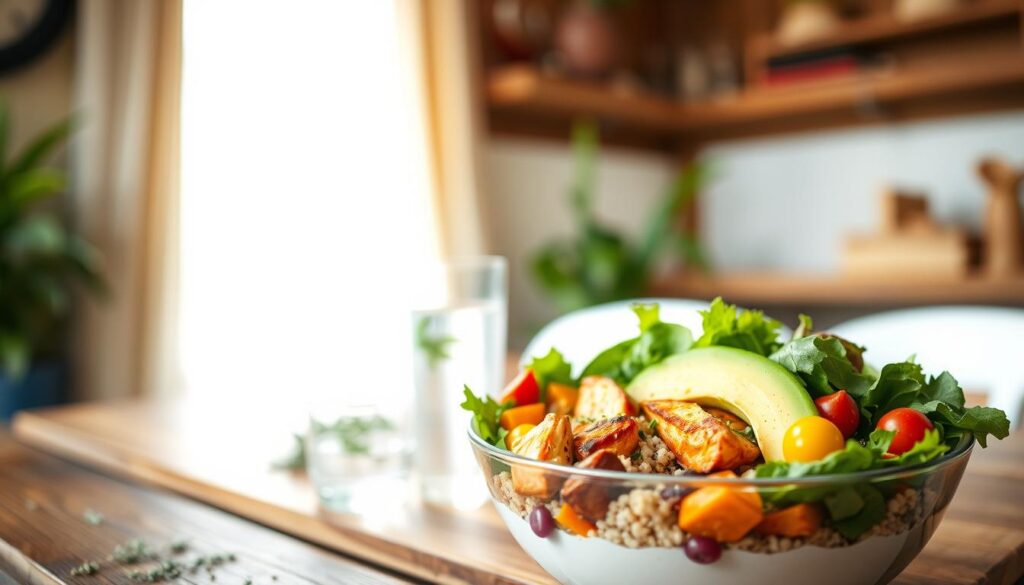
Power bowls bring grains, greens, and protein together so you get a full meal in one bowl. They are easy to customize and help you control calories and fat without sacrificing flavor.
Comparing two bowl choices
The Banh Mi Bowl is lighter at 540 calories, with quinoa, kale, avocado, vegetables, and grilled chicken. It delivers about 28g protein and ~770mg sodium.
The Santa Fe Bowl runs ~690 calories and can jump in sodium to ~1,160mg when dressed with ranch. Order dressing on the side to cut the sodium hit and trim fat.
Main plates and protein-first tactics
Cedar Plank Salmon is a nutrient-dense entrée at ~650 calories and ~52g protein. It’s a steady choice for macros and lower overall fat than burger entrees.
The West Coast Burger is a splurge at ~1,470 calories. Treat it as an occasional treat or share it and add a half salad to balance the meal.
- Repeatable strategy: prioritize grilled chicken, salmon, or shrimp; add vegetables; ask for sauces on the side.
- Build ideas: power bowl + sparkling water, salmon + lighter side, or split a burger and pair with a half salad.
| Item | Calories | Protein | Sodium |
|---|---|---|---|
| Banh Mi Bowl | 540 | 28g | ~770mg |
| Santa Fe Bowl | 690 | — | ~1,160mg (with ranch) |
| Cedar Plank Salmon | 650 | 52g | ~640mg |
Pasta and Noodles: Calories and Lighter Swaps at California Pizza Kitchen
Pasta often packs more calories and saturated fat than you expect. Rich sauces, cheese, and large portions drive totals quickly.
Best lighter pasta-style entrée
Shrimp Scampi Zucchini is the lighter, twirlable option at about 480 calories. It swaps zucchini ribbons for refined noodles and keeps texture without excess carbs. Note: sodium is still high (~1,030 mg), so pair it with water or unsweetened tea.
Hearty dishes to split or skip
Watch the cream-forward plates. Garlic Cream Fettuccine (1,260 calories), Pesto Cream Penne (1,300 calories), and Jambalaya Linguini Fini (1,230 calories) are calorie and fat heavy. Jambalaya is also high in sodium and cholesterol.
Flavor-focused choices and tips
Kung Pao Spaghetti (890 calories) and Bolognese Spaghetti (870 calories) offer bold flavor but still call for portion control. Ask for sauce on the side, add a side salad, or box half immediately.
- Lighter swaps: choose tomato or tomato basil sauces, request less cheese, and share entrees.
- If you plan on pizza too, pick a lighter pasta or split one main to keep the full meal balanced.
| Item | Calories | Sodium | Notes |
|---|---|---|---|
| Shrimp Scampi Zucchini | 480 | ~1,030 mg | Lower carbs; still sodium-heavy |
| Garlic Cream Fettuccine | 1,260 | High | Cream and cheese drive fat |
| Pesto Cream Penne | 1,300 | High | Rich, split to share |
| Jambalaya Linguini Fini | 1,230 | Very high | Meat-heavy; high sodium & cholesterol |
Sandwiches and Lunch Sizes: Building a Lower-Calorie Combo
A smart half-sandwich combo can deliver satisfaction without an accidental calorie overload.
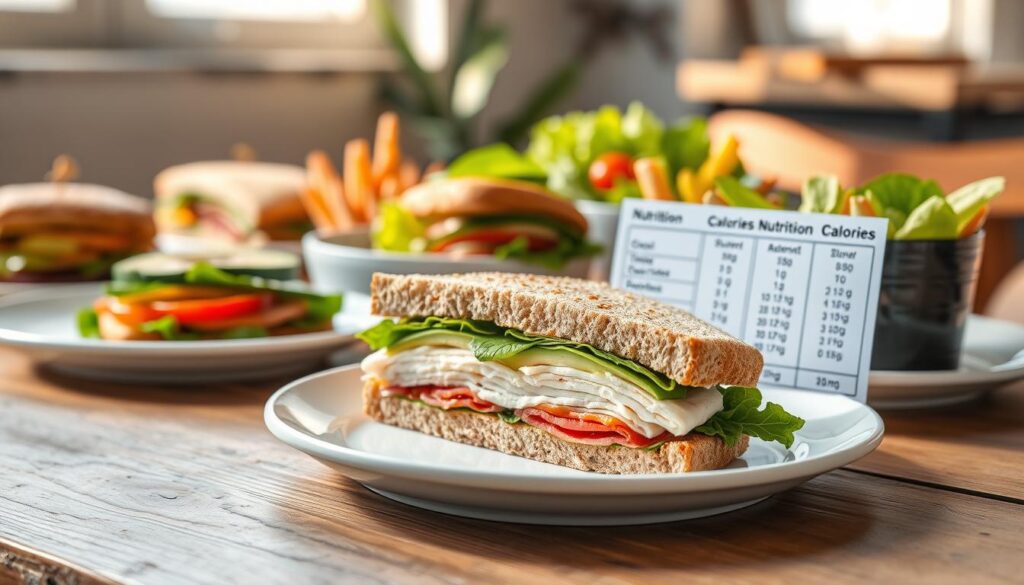
Lunch sizing is often the secret weapon at this pizza kitchen brand: halve a sandwich, add a cup of soup or a half salad, and you get a full-feeling plate without entrée-level calories.
Half-size strategy
Step 1: Choose a half sandwich as your base to cut portions roughly in half.
Step 2: Add a cup of Dakota Smashed Pea & Barley Soup (170 calories) if you want warmth and protein.
Step 3: Or pick a half salad—Caesar half (270 calories) or Roasted Veggie half (360 calories)—if you want more greens and fiber.
Better pick: Half Grilled Veggie Sandwich
Half Grilled Veggie Sandwich is the lighter, vegetarian-friendly option. The full sandwich lists 610 calories; the half runs about 310 calories and ~500mg sodium.
It still feels hearty thanks to roasted vegetables and cheese, and it pairs well with either soup or salad.
Higher-sodium splurge: Oven-Roasted Turkey & Brie (full)
The Oven-Roasted Turkey & Brie sandwich in full size is a plated splurge: ~810 calories and very high sodium (~2,170mg).
If you love turkey brie flavors, order a half, skip extra salty sides, and choose a low-calorie drink to balance the meal.
- Smart combo A: Half Grilled Veggie + Dakota soup cup = ~480 calories total (light and filling).
- Smart combo B: Half Grilled Veggie + Half Caesar salad = ~580 calories with more greens.
| Item | Portion | Calories |
|---|---|---|
| Grilled Veggie Sandwich | Half / Full | ~310 / 610 |
| Oven-Roasted Turkey & Brie | Full | 810 |
| Dakota Smashed Pea & Barley Soup | Cup | 170 |
These combos are easy to personalize. Pick half portions to control calories and sodium, swap a side, or add grilled chicken breast if you need more protein.
Kids Menu, Desserts, and Drinks: Where Calories Spike Fast
Kids’ plates, desserts, and drinks can turn a simple meal into a large calorie event in seconds. Look at the numbers so you can build a balanced plate for a child or yourself.
Kids entrées compared
Grilled chicken breast is the lightest option at 220 calories. Traditional cheese pizza is 560 calories for the kids portion. Curly mac & cheese climbs to 820 calories and carries more fat.
Fresh fruit (60 calories) or baby broccoli (45 calories) are low-calorie sides that add fiber and balance.
Desserts by the numbers
Salted caramel pudding rings in at about 530 calories. Butter cake is the big splurge at 1,100 calories.
Sharing or boxing half makes the butter cake manageable if you already have pizza or pasta on the table.
Drinks and cocktail choices
Low-calorie non-alcoholic picks: Sparkling Cranberry Cooler or Sparkling Watermelon Lime (~50 calories each), and Freshly Brewed Iced Tea (0 calories).
Cocktails add dessert-level calories: Gin Gin Mule ~200, Socialite Cosmo ~190, White Peach Sangria ~240. Order water or tea first and decide on dessert after the meal.
- Kid meal build: grilled chicken breast + baby broccoli + fresh fruit = a filling, under-350 calorie plate.
- Limit extra fatty sides: curly mac adds significant fat and calories compared to fruit or veg.
- When tempted by dessert, split the butter cake or take half home to cut totals.
| Item | Calories | Notes |
|---|---|---|
| Grilled Chicken Breast (kids) | 220 | Lean protein; good base for a kid meal |
| Traditional Cheese (kids) | 560 | Higher fat; add fruit or veg to balance |
| Curly Mac & Cheese (kids) | 820 | High calories and fat; treat or share |
| Fresh Fruit / Baby Broccoli (sides) | 60 / 45 | Low-calorie, nutrient-dense sides |
| Salted Caramel Pudding / Butter Cake | 530 / 1,100 | Pudding = moderate treat; cake = share or box half |
Conclusion
Start with one clear anchor on your plate—a slice, half salad, a cup of soup, or a bowl—and build from there. Portion control plus smart swaps delivers the best results without skipping favorite flavors.
Keep a few go-to choices in mind: Wild Mushroom slice, half Roasted Veggie Salad, a Dakota soup cup, or the Banh Mi Bowl. Watch sodium-heavy add-ons like cured meats, extra cheese, and creamy dressings.
Remember that half vs full salads and cup vs bowl soups are the biggest silent multipliers. Customize freely—veggie-forward builds, lighter cheese, dressing on the side, and sharing desserts keep the meal indulgent but balanced.
Before you go, use the online filters for allergies and lower-sodium or gluten-free options so you can order with confidence.