Jimmy John’s Allergen Menu Details for Dietary Needs
Looking to plan your order? The jimmy john’s allergen menu offers online charts and nutrition info to help you decide fast.
The short answer: the restaurant posts ingredient and allergen information online, but it cannot guarantee any item is free from cross-contact due to shared prep and equipment.
This quick guide is an FAQ-style intro for US diners who need clear facts before pickup, delivery, or dining in. It sets expectations without overpromising allergen-free results.
The menu feels simple—mostly sandwiches—but customization and shared stations make allergies tricky. You will find practical notes on gluten swaps like the Unwich, dairy-free builds (skip cheese), egg sources like mayo and tuna, soy labels, and peanut oil in chips.
Why this matters: ingredients and procedures can change by location or supplier. Use the official chart and confirm in-store for current info.
This section previews ordering language and a clear cross-contact risk summary to help you protect your dietary needs when you order.
How Jimmy John’s handles allergens and dietary needs in the United States
Customization at the counter can help, but it has clear limits.
You can ask for ingredient swaps or omissions when you order a sandwich. Removing cheese, swapping mayo, or choosing an Unwich wrap is common and often honored.
However, made-to-order does not create a dedicated allergen-free area. Shared slicers, prep surfaces, and fryers can transfer trace proteins or flour.
What made-to-order customization can and can’t solve
- What it does: omit items, switch sauces, use lettuce wraps instead of bread.
- What it can’t guarantee: no contact with wheat, dairy, egg, or cross-contact from shared tools.
Why ingredients and procedures can vary by location
Supply changes, local management, and limited-time offers affect how a store stocks and handles menu items. One location may use different suppliers or follow distinct prep steps.
| Item | Customization helps | Risk it can’t remove |
|---|---|---|
| Bread | Swap to Unwich | Flour cross-contact |
| Sauce | Skip or swap | Shared utensils |
| Meats | Omit or double | Slicer cross-contact |
Before you go: check the official nutrition and allergen chart online, then confirm with the staff on arrival. Use calm, direct wording like, “I have an allergy—can you tell me what’s in this item and how it’s prepared?”
The rest of this page provides a guided list of the biggest allergen pressure points across sandwiches, sides, and condiments.
jimmy john’s allergen menu: what to know before you order</h2>
A quick review of common triggers helps you spot risks in sandwiches, sides, and spreads.
Major allergens they disclose and why it matters
Common disclosures include milk/dairy, eggs, fish/shellfish, peanuts/tree nuts, soy, and wheat/gluten. These ingredients show up in obvious places and in less obvious ones like sauces and dressings.
Shared prep spaces and why “allergen-free” can’t be guaranteed
Shared counters, slicers, utensils, and fast assembly create real cross-contamination risks. Even if you skip an item, traces can move between components.
Ingredient callouts you’ll see again and again
- Bread — wheat/gluten is everywhere on sandwiches.
- Mayo — Hellmann’s contains egg.
- Tuna salad — often has egg, gluten, and soy.
- Chips — may be cooked in peanut oil; BBQ flavorings can contain gluten.
- Cookies — typically contain gluten and often milk.
Decision point: if your reaction risk is severe, consider skipping orders here even when ingredients look safe on paper.
Upcoming sections dive into gluten-free options, dairy-free swaps, egg/soy/peanut guidance, and a detailed Dietary Breakdown Table for quick scanning.
| Item | Best fit | Top allergens to watch |
|---|---|---|
| Bread | None (use Unwich) | Wheat/Gluten |
| Cheese | Dairy-free swap or omit | Milk/Dairy |
| Tuna salad | Not suitable for egg-free | Egg, Soy, Gluten |
| Chips | Check flavor | Peanut oil, Gluten (BBQ) |
Is Jimmy John’s gluten-free? Understanding the Unwich lettuce wrap</h2>
A lettuce-based wrap called the Unwich replaces bread and is often used when gluten is a concern.
The Unwich is the chain’s lettuce wrap version of most sandwiches. Crisp lettuce stands in for bread so you get the same fillings with fewer carbs and no visible gluten in the bun.
- The restaurant does not offer gluten-free bread; the Unwich is the primary gluten free option.
- All standard bread and flour tortillas contain gluten and should be avoided for celiac disease.
- Limited-time items may include hidden gluten — always confirm on-site.
Even with a lettuce wrap, cross-contact risk exists. Prep surfaces, slicers, and crumbs move between items. If you have celiac disease, tell staff you need extra care, request fresh gloves, and ask for clean handling. Simpler orders — fewer sauces and toppings — lower exposure risk.
| Item | Best fit | Top gluten risks |
|---|---|---|
| Unwich (lettuce wrap) | Gluten-free option | Cross-contact on line |
| Bread / Tortilla | Not gluten free | Wheat flour, flavored tortillas |
| Limited-time add-ons | Verify per visit | Varied ingredients |
How to order dairy-free at the shop (and what to watch for)
Ordering dairy-free is mostly straightforward: many sandwiches become safe when you skip cheese. Ask for “no cheese” and most standard builds will qualify as dairy-free on the surface.
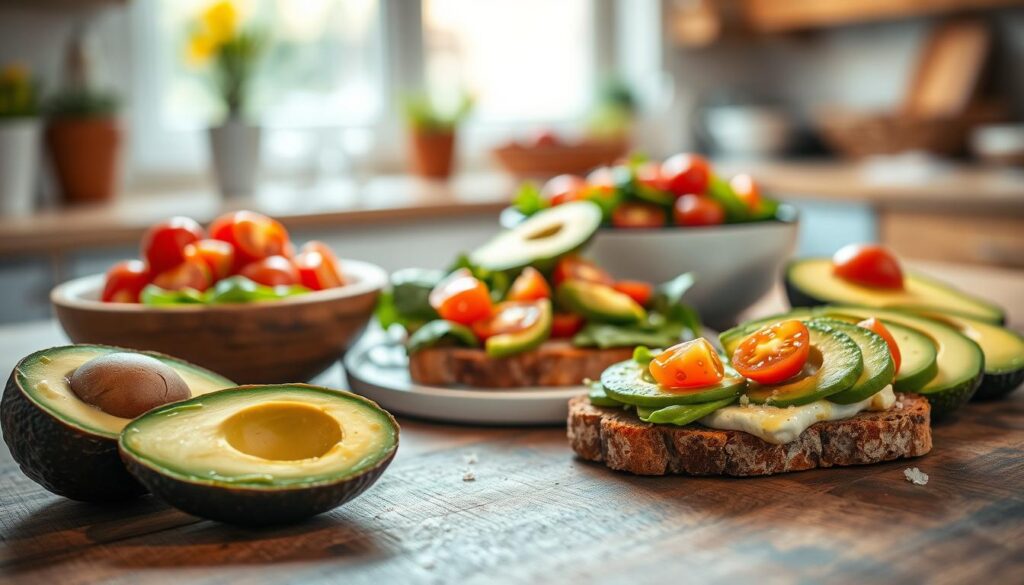
Nearly the whole menu can be dairy-free by skipping cheese
Most sandwich fillings—meats, veggies, and dressings—do not contain milk if cheese is removed. That simple step covers a large portion of available options.
Common dairy-containing items to avoid
Watch desserts and creamy sauces. Cookies, brownies, ranch-style dressings, and some seasonal spreads often include milk or butter.
Easy flavor swaps: avocado spread instead of cheese
Avocado spread restores creaminess and adds healthy fat. Use oil & vinegar, peppers, and fresh herbs to keep big flavor without dairy.
Examples of “no cheese” builds customers use
- Beach Club, no cheese, add avocado spread — a creamy, green swap for cheese.
- Italian-style sandwich, no cheese, extra veggies and oil & vinegar — bold and dairy-free.
- Roast beef sandwich, no cheese, pickled peppers — savory and simple.
| Item | Best fit | Top dairy risks |
|---|---|---|
| Sandwich | No cheese, avocado | Cheese, creamy sauce |
| Dessert | Avoid | Milk, butter |
| Sauces | Must confirm | Ranch, creamy dressings |
For lactose intolerance, omission usually works. For a true milk allergy, ask staff about cross-contact and confirm ingredients for limited-time items. Always verify the current menu at your location before ordering to protect your dietary needs.
Egg, soy, peanut, and tree nut concerns: ingredient-level guidance</h2>
Eggs, soy, peanuts, and tree nuts appear in unexpected places, so scan ingredient lists before you order. Simple swaps help, but some items need extra care.
Eggs and mayo: why tuna is a frequent issue
Hellmann’s mayo contains egg, so sandwiches made with that dressing carry egg risk. Tuna is a common surprise: tuna salad often includes mayo and other binders. That makes tuna salad a multi-allergen choice.
Soy labeling and refined oils
Some refined oils are not listed as allergens under FDA rules. That means soy can be present yet not appear on a label. Ask staff about specific ingredients and refined oil sources if soy sensitivity matters.
Peanut oil, chips, and facility warnings
Jimmy chips are cooked in peanut oil. If you avoid peanuts, these chips are not safe. Also ask whether any items come from a facility that handles tree nut or other nuts.
Practical checklist
- Confirm tuna salad ingredients in-store.
- Ask about refined soy oils on sauces and spreads.
- Verify chip frying oil if you have a peanut allergy.
- If reactions are severe, make sure a manager reviews prep steps before you order.
| Item | Primary risk | What to ask |
|---|---|---|
| Tuna salad | Egg, soy, gluten | Confirm mayo and fillers |
| Chips | Peanuts (peanut oil) | Ask frying oil and shared fryers |
| Sauces & oils | Soy (refined oils) | Request ingredient source and labeling |
| Packaged add-ins | Tree nut / nuts | Confirm facility handling and supplier notes |
Menu components that affect allergens the most: bread, wraps, meats, and toppings</h2>
Break orders down by component—bread, protein, toppings, and add-ons—to assess exposure.
Start with the base. All bread and tortilla options contain gluten, so the Unwich lettuce wrap is the practical alternative if gluten is a concern.
Proteins are next. The shop uses all-natural meats sliced daily. Common choices include turkey, ham, roast beef, salami, capocollo, bacon, and chicken. Note that the slicer is shared between meats and cheese, even with cleaning protocols.
Fresh toppings add flavor with low risk. Lettuce, tomato, cucumber, onion, pickles, and Jimmy Peppers are simple choices that usually avoid major ingredients that trigger reactions.
Cheese is easy to omit for dairy-free orders, but it raises cross-contact risk on shared slicers and prep surfaces. Double-check add-ons and crispy toppings; limited items can hide gluten or dairy.
- Step 1: choose bread or Unwich wrap.
- Step 2: confirm meat and slicing practices.
- Step 3: favor fresh lettuce and simple veggies.
- Step 4: omit cheese when needed and verify add-ons.
| Item | Best fit | Allergen note | Action |
|---|---|---|---|
| Bread / Tortilla | None (use Unwich) | Gluten | Choose wrap alternative |
| Meats (turkey, ham, roast beef) | Sliced daily | Slicer cross-contact with cheese | Ask about slicer cleaning |
| Veggies (lettuce, tomato, cucumber) | Low risk | Usually safe | Pick fresh toppings |
| Cheese & add-ons | Omit for dairy-free | Dairy, cross-contact | Request no cheese and confirm prep |
Next: sauces and condiments are another major allergen lever, especially egg-based mayo and seasonal spreads. Verify those per visit.
Sauces, condiments, and spreads: what’s usually safe and what isn’t</h2>
Condiments are the sneaky place where new allergens often hide. A sandwich that looks safe can change fast with one spread. Treat sauces as the first place to check when you order.
Simple, safer sauce choices
Choose avocado spread for creaminess, oil & vinegar for brightness, or yellow mustard for a tangy bite. These options work well when you skip cheese and keep flavors high.
Mayo and egg-based dressings
Hellmann’s mayo contains egg and is often added by default. Ask for mayo off or held to avoid egg exposure. Request that staff confirm a swap at the prep line.
Limited-time sauces: verify every visit
Seasonal pesto or creamy dressings may contain milk. Marinara can include gluten. Ingredients and suppliers change, so make sure to ask about any new sauce.
- Frame sauces as the “hidden allergen zone”—double-check spreads.
- Ask: “Is this sauce ranch-based?” “Does it include dairy?” “Is there wheat/gluten in this limited-time condiment?”
- If you’re highly sensitive, ask staff to show the ingredient list or speak with a manager.
| Item | Best fit | Allergens to watch | What to ask |
|---|---|---|---|
| Avocado spread | Creamy, dairy-free option | Usually safe | Confirm no added mayo or dairy |
| Oil & Vinegar | Bright, low-risk | Usually safe | Verify oil source if soy sensitivity |
| Yellow Mustard | Sharp, tangy option | Low risk | Ask if mixed with other sauces |
| Hellmann’s Mayo & Creamy Sauces | Flavorful but risky | Egg, often dairy | Request no mayo and confirm ingredients |
Side items, chips, desserts, and drinks: allergen watchlist</h2>
Side items and treats deserve the same ingredient checks as the main order. Choose sides with care so a safe sandwich doesn’t get undone by a bag of chips or a cookie.
Comparing chip options
Both Jimmy Chips and Thinny Chips are cooked in peanut oil. That makes them risky for anyone avoiding peanuts.
BBQ-flavored chips may also include gluten in the seasoning. Ask staff or check the packaging before you add them.
Simple sides that reduce risk
A jumbo kosher dill pickle is a low-ingredient choice that avoids layered sauces and hidden dairy. Fresh veggies keep things clean.
Cookies, desserts, and common pitfalls
Cookies and brownie-style items typically contain gluten and milk. For many restricted diets, these are frequent no-go items.
If you crave something sweet, skip dessert or bring your own safe treat.
Drinks: easy choices
Plain bottled water or unsweetened iced tea are usually the simplest beverages when you’re managing sensitivities.
- Why sides matter: careful main orders can be undone by shared oils, seasoned coatings, or dessert ingredients.
- Build a safer combo: pair an Unwich with extra lettuce, tomato, and cucumber, hold dessert, and pick a pickle as a salty side.
- Label check: always ask to see packaging or ingredient listings for any bagged items when you need label-level certainty.
| Item | Price | Calories | Vegan/Keto/Gluten-Free Options | Allergens |
|---|---|---|---|---|
| Jimmy Chips (regular) | Varies | 240 | Not gluten-free | Peanut oil |
| Thinny Chips | Varies | 190 | Not gluten-free | Peanut oil |
| Chocolate Chip Cookie | Varies | 360 | Not gluten-free, not vegan | Gluten, Milk, Eggs |
| Jumbo Kosher Dill Pickle | Varies | 5 | Vegan, Gluten-Free | Usually none (check brine) |
| Bottled Water / Unsweetened Tea | Varies | 0–5 | Vegan, Keto, Gluten-Free | None |
Cross-contamination and in-store protocols: how to reduce risk</h2>
Cross-contact happens quickly in a fast sandwich line. Speed, shared surfaces, and batch prep create real cross-contamination risk. You should ask clear questions before ordering.
Shared slicer realities
The shop uses a shared slicer for meats and cheese and cleans it between batches. Salami and capicola are sliced together and may not be separated. Batch slicing improves speed but raises cross-contamination chances for dairy and other proteins.
What to ask staff and managers
- Confirm ingredient lists and slicer cleaning timing.
- Request a manager review if you have severe sensitivities.
- Say: “I have a food allergy—can you use fresh gloves and clean utensils for this order?”
Gloves, utensils, and shared surfaces
Ask for a glove change, a new knife, and clean paper for assembly. Request that staff build your lettuce wrap away from bread crumbs when possible. These steps cut transfer risk without slowing service too much.
When to skip ordering
If your reaction can be triggered by trace exposure or you’ve had anaphylaxis, the safest move may be to skip ordering here. Make sure you feel confident in the answers you get; your medical needs and comfort should guide the decision.
| Item | Action to Request | Why it Matters |
|---|---|---|
| Slicer | Confirm cleaning between batches | Reduces dairy and meat transfer |
| Gloves | Fresh gloves for your order | Limits hand-to-food transfer |
| Assembly area | Use clean paper/space | Keeps crumbs and oils away |
Conclusion</h2>
With a few mindful swaps and a quick in-store check, you can often adapt popular builds into safer choices.
Start by choosing the base—sandwich or lettuce wrap—and remove the top triggers: omit bread for gluten concerns, skip cheese for dairy, and hold mayo to avoid egg exposure.
Remember the headline answers: there is no gluten-free bread, the Unwich lettuce wrap is the go-to gluten free option, and tuna salad often carries multiple risks. Watch chips and cookies; they can undo a careful order.
Use the chain’s free menu charts to plan, then confirm ingredients and prep when you arrive. Try a Turkey Tom as an Unwich or an Italian Night Club build with cautious sauces, and always save this page for updates.
You can enjoy jimmy john offerings in the United States with smart swaps and clear communication while respecting cross-contact limits and your dietary needs.