California Pizza Kitchen Menu Allergen Information for You
California Pizza Kitchen allergen menu gives you fast, practical answers about ingredients and cross-contact risks. In short: CPK shares detailed allergen listings but cannot guarantee an item is fully free from contaminants due to shared prep areas.
This page helps you spot where to find allergen details, which common triggers appear most, and how to read “contains,” “may contain,” or “free from” labels. You will learn how to customize pizzas, salads, and pastas to lower risk.
What to expect: scannable sections, plain-language notes, and exact questions to ask staff. CPK also offers online and in-store guides for gluten-free and dairy-free choices, plus tips for vegans.
Why this matters at a pizza-forward restaurant: crusts, cheeses, sauces, and toppings often hide wheat, dairy, soy, eggs, nuts, or shellfish. Allergen details change by location and over time, so always verify with the restaurant before you order.
Where to find allergen information at California Pizza Kitchen
Fast, reliable sources of ingredient info make it easier to pick safe choices when dining out.
Allergen guides available at locations and by request
Ask in person. Every location keeps a printed guide you can request. The guide lists common triggers like wheat, dairy, nuts, soy, shellfish, and egg across popular items.
Online resources: allergen information and menu tools on CPK.com
CPK’s website hosts an allergen page and menu tools to check ingredients before you go. Use the site to narrow choices, then confirm at the restaurant.
Why ingredient details can vary by restaurant and season
Recipes are standardized, but local sourcing and seasonal swaps can change ingredients. Sauces, dressings, and toppings are most likely to differ.
- Two-step check: review online first, then confirm in person for severe allergies.
- Pick 2–3 candidate items, note the allergens you must avoid, and prepare questions for staff.
- Online ordering is handy, but never replace an in-person confirmation for high-risk needs.
| Item | Price | Calories | Allergens |
|---|---|---|---|
| Garden Salad | $8.95 | 180 | Dairy (dressings), Nuts (optional) |
| Grilled Chicken | $12.50 | 320 | Soy (marinade) |
| Gluten-Free Crust (small) | $3.50 | 240 | Egg (cross-contact possible) |
| Seasonal Soup | $6.75 | 210 | Dairy, Shellfish (varies) |
Common allergens in the CPK kitchen and what they affect
Understanding where allergens hide helps you pick safer choices with confidence.
The biggest risk areas are crust, sauces, dressings, and toppings. These spots often carry wheat, dairy, nuts, soy, shellfish, or egg.
Wheat and gluten in breads and pasta
Traditional crust and most pastas contain gluten and wheat. Flour can also be on prep surfaces, so cross-contact is common.
Dairy and cheese across many items
Mozzarella, cream sauces, and Alfredo add dairy to pizzas and pastas. Some soups and appetizers hide cheese or butter.
Nuts, soy, shellfish, and eggs in sauces and toppings
Pesto may contain pine nuts. Caesar dressing can include egg. Soy sauce shows up in marinades and shrimp dishes contain shellfish.
- Quick look: sauces, dressings, and toppings are the most common hidden zones.
- For some guests these triggers cause intolerance; for others they cause severe reactions. Always confirm with staff.
| Item | Price | Calories | Allergens |
|---|---|---|---|
| Traditional Crust (small) | $2.50 | 260 | Wheat, Gluten, Dairy (topping) |
| Alfredo Pasta | $13.95 | 740 | Dairy, Egg (may contain) |
| Pesto Salad | $10.25 | 420 | Nuts (pine), Dairy (cheese) |
Legend: C=Contains, M=May Contain, F=Free From. In the next section you will learn what those labels mean for ordering safely.
california pizza kitchen allergen menu
Knowing how to read allergen notes helps you judge real risk and act before you order.
How to read “contains,” “may contain,” and “free from” notes
CPK uses a simple legend: C=Contains, M=May Contain, F=Free From. Contains means the ingredient is listed. May contain flags possible exposure from shared prep. Free From shows the standard recipe lacks that item but is not a guarantee of zero risk.
What the notice means for severe allergies
Shared equipment and prep areas can cause cross-contact. If your reaction is severe, treat “may contain” as real risk. Tell your server and ask to speak with a manager before you order.
Questions to ask your server or the manager before ordering
- Which crust and sauces are used for this dish?
- Will staff change gloves and use separate utensils?
- Is there a dedicated prep area for gluten-free items at this location?
- Can you list full ingredients for dressings and marinades?
| Item | Price | Allergens | Prep note |
|---|---|---|---|
| Gluten-Free Crust (small) | $3.50 | Egg (cross-contact possible) | Handle separately on request |
| Alfredo Pasta | $13.95 | Dairy, Egg (may contain) | Confirm sauce ingredients |
| Pesto Salad | $10.25 | Nuts (pine), Dairy | Ask about nut-free preparation |
Gluten-free options at California Pizza Kitchen
CPK offers a certified gluten-free crust, but certification and real-world risk are different.
What “certified gluten-free” means
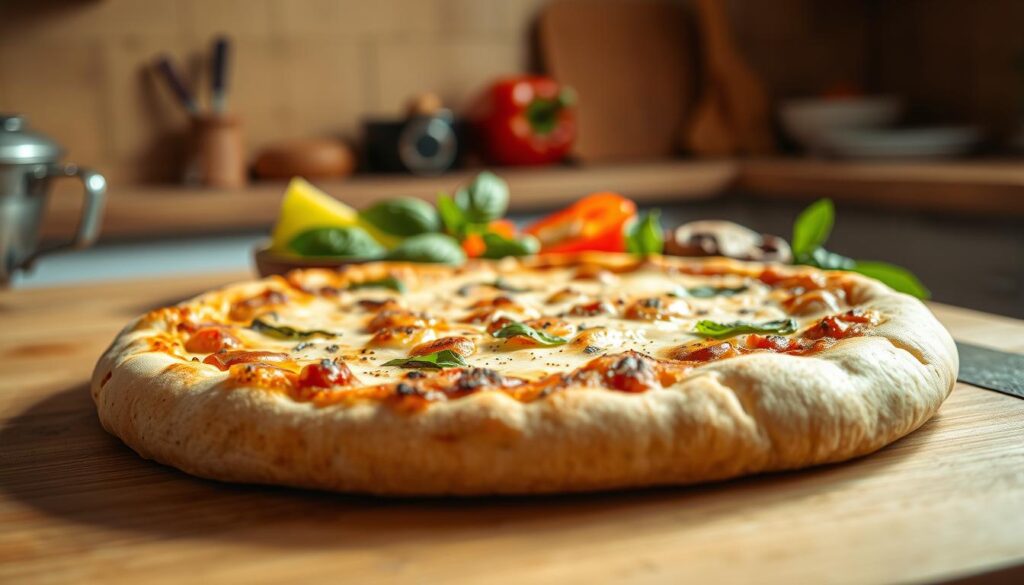
The crust carries GFCO certification, which confirms the recipe and supply chain meet strict gluten limits. Certification covers the product before it hits a shared kitchen.
Cross-contact reality in a shared kitchen
Airborne flour, shared prep surfaces, cutters, and toppings can introduce gluten after baking. That is why the brand warns certification does not remove all cross-contact risk.
How to order safely — in-store vs online
- If you are gluten-sensitive: request the gluten-free crust and ask about separate pans. Many guests accept low-risk steps.
- If you have celiac disease: clearly state “gluten allergy/celiac,” ask for manager confirmation, and insist on dedicated prep when available.
- Online: choose the gluten-free pizza option, add allergy notes, and call the location if your risk is high.
GF-friendly meal ideas
Try a certified gluten-free crust with a BBQ chicken topping and ask for separate handling. A Cobb-style salad with dressing swapped to a gluten-free option works well. Simply prepared grilled chicken adds safe protein when staff confirm prep practices.
| Item | Price | Calories | Gluten-Free Option |
|---|---|---|---|
| GF Crust Small | $3.50 | 240 | Certified gluten-free; cross-contact possible |
| BBQ Chicken (GF crust) | $15.95 | 720 | Available on gluten-free crust |
| Cobb-style Salad + Grilled Chicken | $12.50 | 430 | Request dressing swap; confirm chicken prep |
Dairy-free and vegan paths for avoiding cheese and milk
If you avoid dairy, there are two simple paths to make safe choices without losing flavor. One is to order dishes without cheese. The other is to request a vegan cheese substitute when the location offers it.
Confirm sauces and toppings. Always check sauces for hidden milk in meat sauces, soups, or special sauces before you order.
Quick dairy-free dressing menu map
- Champagne Vinaigrette — dairy-free
- Chili Lime Vinaigrette — dairy-free
- Dijon Balsamic Vinaigrette — dairy-free
- Fat-Free Vinaigrette — dairy-free
- Lime Cilantro / Thai Peanut Dressing — check peanut allergy info
- Oil & Vinegar — simple and reliable
Heads up: surprising milk-containing items
Some spicy or savory dishes include milk. Dynamite Shrimp, Szechwan Chicken Dumplings, and Spicy Buffalo Cauliflower list milk. Sedona Tortilla Soup and Tomato Basil Bisque also contain milk.
Mustard Herb Vinaigrette contains dairy. Certain meat sauces, Jambalaya Linguini, and Cedar Plank Salmon include milk too. Ask before assuming a dish is milk-free.
Turn a salad into a satisfying entrée
Build a hearty salad by swapping dressings and adding protein. Add Plant-Based Chicken, Grilled Chicken Breast, Sautéed Salmon, or Grilled Shrimp — these proteins are listed as made without dairy ingredients.
| Item | Price | Protein | Dairy-free option |
|---|---|---|---|
| Cobb-style Salad (no cheese) | $12.50 | Grilled Chicken | Swap to Champagne Vinaigrette |
| Chopped Salad (no cheese) | $11.95 | Plant-Based Chicken | Use Oil & Vinegar |
| Classic Pizza (cheeseless) | $13.95 | Choose veggie toppings | Request dairy-free cheese if available |
Pro tips: Order salads minus cheese with a vinaigrette swap, or pick cheeseless classics with veggie-heavy toppings. Remember that dairy-free is not always vegan — confirm honey or other animal ingredients if you follow a vegan diet.
Understanding cross-contact and food safety at CPK
Cross-contact can happen quickly in busy prep lines, and knowing where it occurs helps you protect your meal choices.
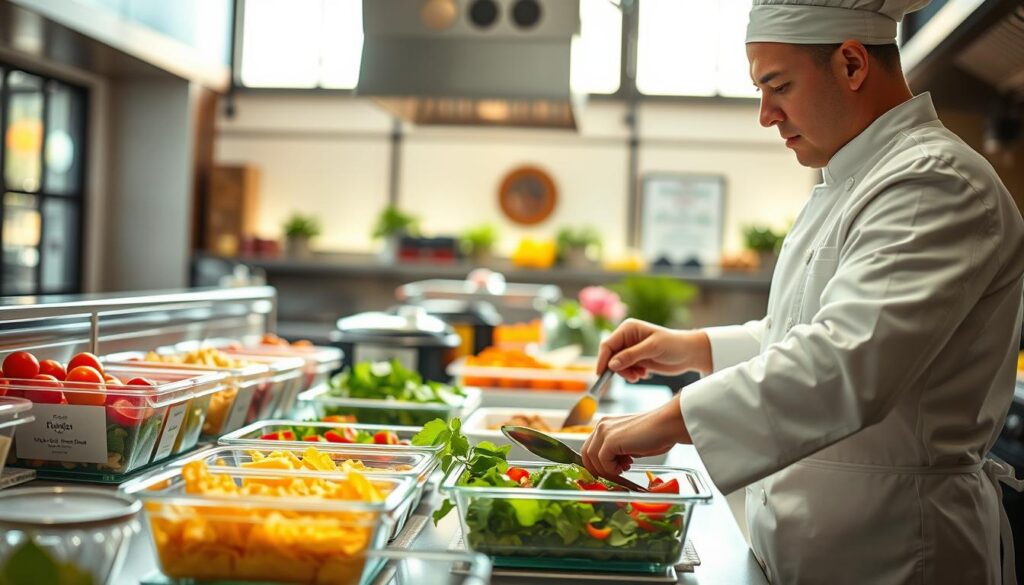
How cross-contact happens in a shared kitchen environment
Cross-contact means an ingredient from one dish touches another and transfers proteins. The most likely routes are shared prep tables, utensils, ovens, and cutting tools.
Airborne flour and moving sauces also spread traces across the line. These small transfers can matter a lot for highly sensitive guests.
When to speak to a manager (and what to request)
If your reaction could be severe, tell your server and ask to speak with a manager before ordering. Be calm and specific.
- Request allergy notation on the ticket.
- Ask for glove changes and clean utensils.
- Request a separate pan or prep surface if available.
- Ask staff to use separate cutting tools when possible.
What CPK can and can’t guarantee for allergen-free dining
CPK can discuss prep options, omit ingredients, offer a certified gluten-free crust, and provide vegan cheese where offered. These steps reduce risk.
However, the brand cannot guarantee a completely allergen-free environment because shared equipment and prep areas may cause cross-contact.
| What CPK can do | What CPK can’t guarantee |
|---|---|
| Note allergies on the ticket | Zero cross-contact in a shared kitchen |
| Omit listed ingredients on request | Absolute allergen-free dining for highly sensitive guests |
| Offer certified GF crust and some vegan swaps | Separate facilities at every location |
Decide to dine in, takeout, or choose another restaurant based on your tolerance for cross-contact and the severity of your reaction.
Talk clearly: name the specific allergen, describe how severe reactions can be, and ask the server or manager to confirm the steps they will take. That clears expectations and improves safety.
How to customize menu items to fit allergies
A few targeted changes to ingredients and handling can cut risk for sensitive diners while keeping favorites on the order.
Start with simple swaps. Remove cheese, skip nuts, or ask for dressing on the side. These small edits remove obvious triggers and lower cross-contact chances.
Sauce strategy matters. Ask specifically about creamy sauces, pesto, and dressings before you order. Those often contain dairy, nuts, egg, or soy.
Crust choices and what they mean
Traditional: standard recipe with the highest wheat exposure.
Thin: less dough but same prep line—cross-contact risk remains.
Gluten-free crust: certified option reduces gluten in the product, yet cross-contact can occur in a shared kitchen. Ask staff how they handle it.
Ask for separate preparation when needed
Request what’s feasible at that location: a separate pan, new gloves, or a different cutter. Staff will confirm options and limits.
Communicate clearly: allergy vs. preference
Say “I have a [specific allergen] allergy” and note severity. Avoid vague phrases like “make it safe.” Clear wording helps staff take the right steps.
- Use precise requests: “no cheese,” “no roasted peanuts,” or “dressing on the side.”
- Ask for ingredient lists when needed; staff can provide details on specific items.
- Treat customization as collaboration—confirm what the location can realistically do in a shared space.
| Action | Why it helps | Typical request |
|---|---|---|
| Omit cheese | Removes primary dairy source | “No cheese, please” |
| Swap dressing | Avoids hidden dairy, nuts, or egg | “Dressing on the side — oil & vinegar” |
| Choose GF crust | Reduces gluten in the product; cross-contact possible | “Gluten-free crust; please change gloves” |
Menu items that are often easier to order with allergies
Cobbs and chopped salads are often the simplest swaps. Order them without cheese and ask for a dairy-free vinaigrette. Adding grilled chicken turns a salad into a full meal with low handling change.
Pizzas can be made cheeseless, too. Popular choices like bbq chicken, pepperoni, or veggie-style pies work when you skip cheese and confirm the sauce. Ask about sauce ingredients and shared utensils.
Soups and pasta need extra caution. Many bisques and cream soups contain milk. Meat sauces and some pasta dishes hide dairy or gluten, so always ask before you order.
- Lower-friction items: salads and cheeseless pizzas are easiest to customize.
- Watch list: Sedona Tortilla Soup, Tomato Basil Bisque, bolognese, and Jambalaya Linguini often contain milk.
- Kids options: grilled chicken breast with steamed veggies or fresh fruit is safer than sauced pasta.
| Item | Price | Calories | Allergen notes |
|---|---|---|---|
| Cobb-style Salad (no cheese) | $12.50 | 430 | Request dairy-free dressing; add grilled chicken |
| Italian Chopped Salad (no cheese) | $11.95 | 380 | Omit cheese; confirm nuts in pesto or toppings |
| BBQ Chicken (cheeseless) | $15.95 | 720 | Confirm BBQ sauce ingredients; possible cross-contact |
| Sedona Tortilla Soup | $6.75 | 210 | Contains milk — ask before ordering |
| Kids Grilled Chicken Plate | $7.95 | 260 | Usually simple prep; check sides and sauces |
Updates, accuracy, and location-specific differences
Official ingredient lists change periodically, so verify fresh details for your location before you order.
How often official information changes
Updates occur quarterly, and CPK also updates sooner when recipes or suppliers change. That means posted menus and ingredient notes are usually current but not static.
Why accuracy varies by location
- Supplier substitutions: local vendors may swap ingredients.
- Seasonal items: specials and seasonal toppings alter recipes.
- Staff procedures: training and prep practices differ across restaurants and shift teams.
Find nearby restaurants and confirm before you go
Plan ahead: use the brand site to locate nearby restaurants and review online information.
Then call the location during non-rush hours. Ask about prep methods, separate tools, and what steps they take for safety. A manager who explains limits and precautions is a good sign.
| Step | Why it helps | What to ask |
|---|---|---|
| Check online | Quick view of current listings | Confirm recent updates |
| Call the location | Get location-specific answers | Ask about separate prep and staff training |
| Choose with care | Some locations have better procedures | Pick the restaurant that communicates clearly |
Takeaway: rely on posted guides, verify at each visit, and set realistic expectations to keep dining as safe as possible.
Conclusion
Finish with practical steps you can use to order confidently and reduce risk at any location. Use the online menu tools, then call the restaurant or speak to staff when you arrive to confirm ingredients and prep steps.
Choose simple options: favor cheeseless pizza or salads with an olive oil vinaigrette, add grilled chicken for protein, or pick a BBQ-style option that you’ve verified. These choices cut complexity and lower cross-contact chances.
Always ask first—confirm crust, sauces, dressings, and handling with your server or manager. Plan your order: pick 1–2 favorites, note your allergens, and use CPK.com resources before you place the order.