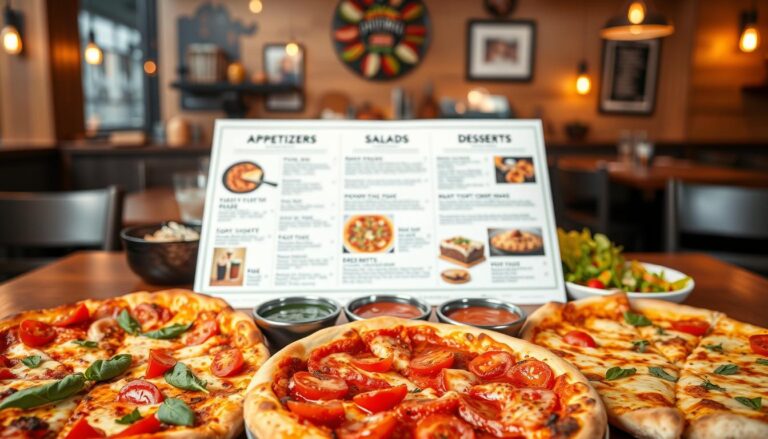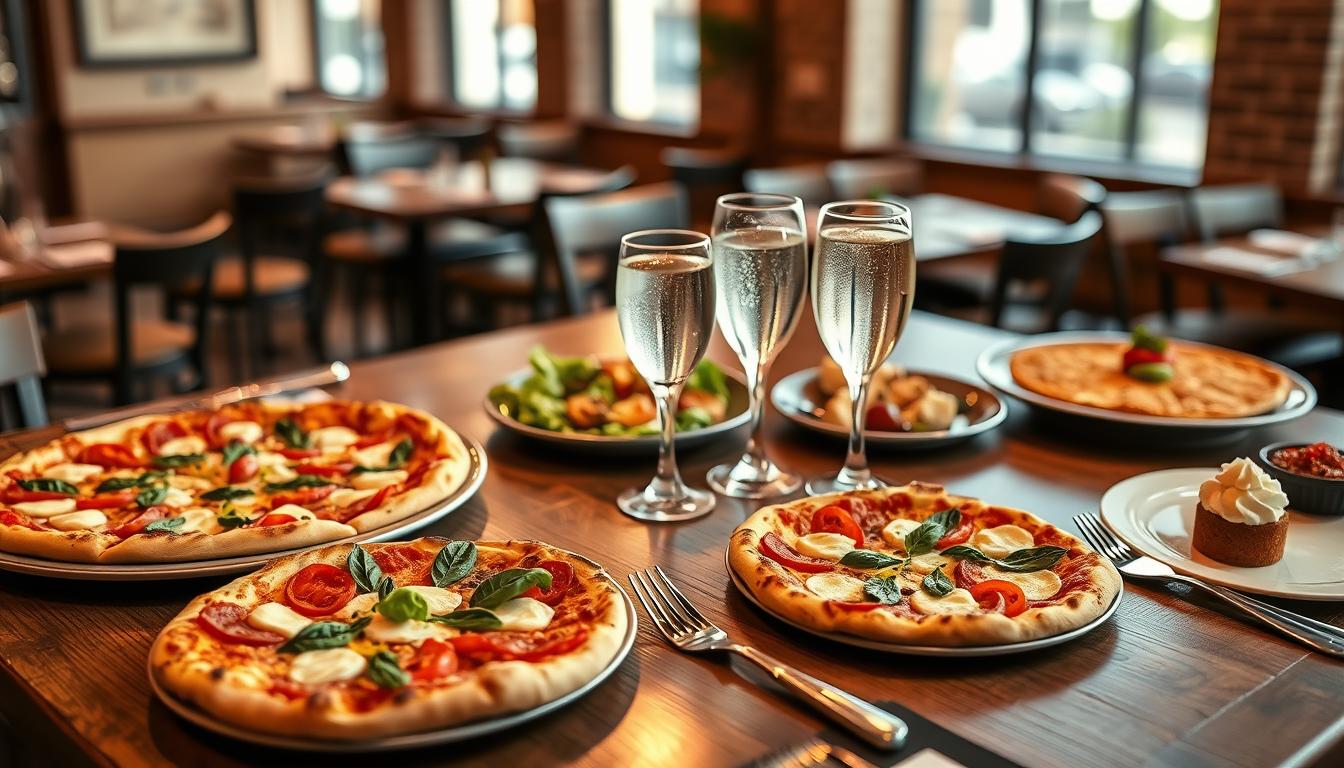
California Pizza Kitchen Gluten Free Menu & Prices
Looking for the california pizza kitchen gluten free menu and prices? This short guide tells you what is validated, what to watch for, and where to check live pricing and calories.
Quick answer: CPK offers validated gluten‑free pizzas on a certified cauliflower crust and provides online allergen charts so you can order with more confidence.
This guide sets clear expectations. Dining at chains can be tricky, so we focus on what is validated versus items that are merely made without gluten ingredients.
Read in order: validated pizzas first, then safe‑ordering steps, then other menu items. You’ll find scannable tables with Price and Calories columns and a dietary column for Vegan/Keto/Gluten‑Free options.
Prices and calories vary by location and time. We show exactly where to check CPK’s interactive allergen tools for up‑to‑date ingredients and allergens, especially dairy and cheese.
Safety note: Even with validated protocols, cross‑contact risk exists in shared kitchens. The safest path is to follow CPK’s validated program, ask staff about procedures, and communicate your needs clearly.
Credibility: CPK’s validation by the Gluten Intolerance Group signals staff training and processes designed for safer meals for people managing celiac disease or wheat sensitivity.
What Makes California Pizza Kitchen a Standout for Gluten-Free Dining Right Now
For people managing celiac disease, knowing a chain’s validation can change a meal from risky to manageable.
Gluten‑Free Safe Spot validation through the Gluten Intolerance Group (GIG) means a third party audited staff training, written protocols, and repeatable procedures. In plain terms, it signals that teams follow steps to treat allergy orders seriously.
Why is this rare at chains? Shared lines, airborne flour, topping bins, and common cutters make cross-contact likely. Standardized steps matter because they limit those risks across many locations.
- Validated crust plus a verified topping set reduces choices that could introduce wheat.
- Controlled prep steps — glove changes, designated tools, and clear order language — guide staff actions.
- Operational choices lower airborne flour risk compared with traditional dough-heavy shops.
Short timeline: a validated chain program began in 2013 and shifted to a validated cauliflower crust in 2018. That shows the approach evolved over the years and is not a brief trend.
CPK remains widely available across the U.S., useful when traveling or dining with mixed groups. Validation is a strong positive for celiac disease diners, but practices can vary by location — so always confirm procedures at your local spot.
| Feature | What it Signals | Practical Outcome |
|---|---|---|
| GIG Validation | Third‑party audit of procedures | Trained staff, documented protocols |
| Validated Crust | Crust tested and approved | Lower cross-contact risk for listed pizzas |
| Controlled Prep Steps | Dedicated tools and glove changes | Consistent allergy handling at many locations |
california pizza kitchen gluten free menu: Validated Pizzas, Crust, and Ingredients
Here’s the confirmed subset of validated cauliflower‑crust pizzas and what the validation means for ingredients, handling, and what to expect on your plate.
The validated cauliflower crust is chewy with a light crisp rim and contains low‑moisture mozzarella. That matters if you avoid dairy.
What to expect from the five validated pizzas
- Original BBQ Chicken: sweet‑smoky BBQ sauce, smoked Gouda, red onions, cilantro. Best for sweet‑savory fans.
- Mushroom Pepperoni Sausage: cremini mushrooms, rustic pepperoni, spicy Italian sausage, basil, mozzarella. A bold, topping‑heavy pick.
- Margherita: fresh tomatoes, mozzarella, basil, parmesan. Bright and lighter in flavor.
- Pepperoni: spicy pepperoni, mozzarella, oregano. Classic snap and savory heat.
- Traditional Cheese: tomato sauce and mozzarella. Simple, good for picky eaters.
| Item | Price | Calories | Vegan/Keto/Gluten‑Free Options | Allergens |
|---|---|---|---|---|
| Original BBQ Chicken | Varies by location | Varies by size | Gluten‑Free (validated) | Dairy, Chicken |
| Mushroom Pepperoni Sausage | Varies by location | Varies by size | Gluten‑Free (validated) | Dairy |
| Traditional Cheese | Varies by location | Varies by size | Gluten‑Free (validated) | Dairy |
Kids and frozen options: Any validated pizza can be ordered on the kids’ cauliflower crust. Frozen store‑bought cauliflower crust pizzas include BBQ Chicken, Uncured Pepperoni/Mushroom/Sausage, and Artisanal Cheese.
Frozen crust ingredients call out rice flour, tapioca starch, egg whites, mozzarella, and xanthan gum—so read the allergen chart for dairy and egg notes before you buy or order.
Gluten, Cross-Contact, and Celiac Disease: How to Order Safely at CPK
Knowing how staff handle validated pies helps you decide what to order and when to ask questions.
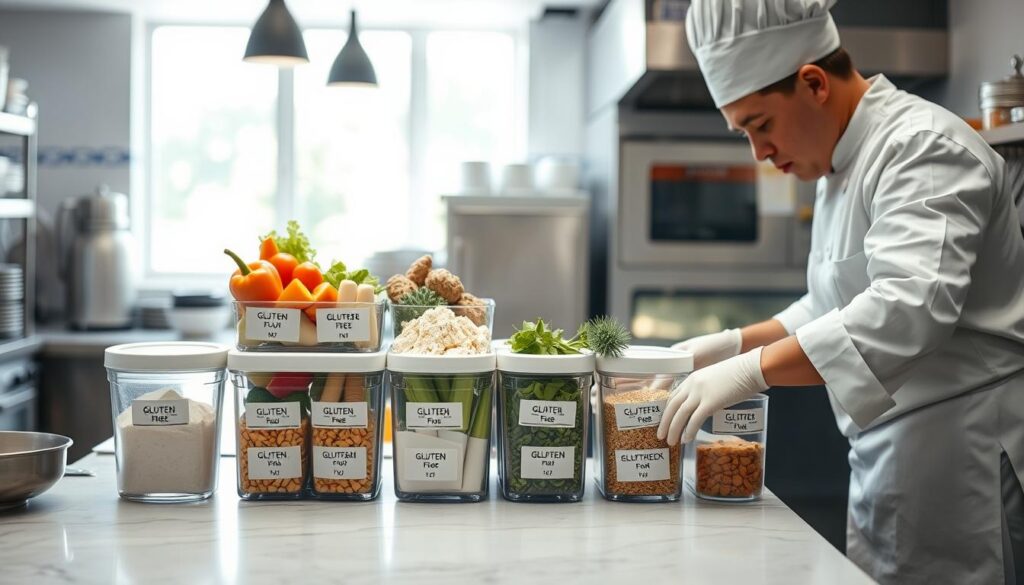
How the validated process works in the prep area: Staff change gloves, use separate topping bins for the five validated pies, and place the crust on dedicated pans. Cutting boards and utensils for validated orders are set aside so contact is minimized.
Why stick to the five validated choices
Those pizzas use toppings from a segregated area and follow written protocols. Asking for extra, non‑validated toppings drops that protection because those items come from shared bins.
How to tell the server and when to ask for a manager
Use clear allergy language: “I need a validated gluten‑free pizza due to celiac disease—please mark this as an allergy and confirm the validated process.” If the server seems unsure, request a manager. Ask during busy rushes, at airport locations, or whenever staff can’t confirm procedures.
What to look for at delivery and reducing risk
The validated pie arrives with a visible “gluten‑free” pick to indicate the protocols were used. Before you eat, confirm the pick is present and that the pizza was handled on separate pans.
| Action | Why it matters | Quick tip |
|---|---|---|
| Glove change & dedicated tools | Reduces contact with wheat residues | Ask staff to confirm the change |
| Segregated toppings | Lowers cross-contact risk | Stick to the five validated options |
| Visible order label | Shows the validated protocol ran | Check for the gluten‑free pick on arrival |
Community reports vary: many diners report safe meals, while some still experience reactions. To lower risk, dine off‑peak, avoid modifications, and speak up every visit.
Gluten-Free Menu Items Beyond Pizza and How to Check Prices Online
Salads, bowls, and simple proteins let you build a meal that fits tolerance and taste. Use caution: the brand separates validated offerings from items that list no gluten ingredients but share prep space.
Validated vs. “No gluten ingredients” — who each fits best
| Type | Who it Fits | Risk |
|---|---|---|
| Validated | People with celiac who follow GIG protocols | Lower cross-contact when ordered as listed |
| “No gluten ingredients” | Those with sensitivity or preference-based avoidance | Higher cross-contact due to shared tools |
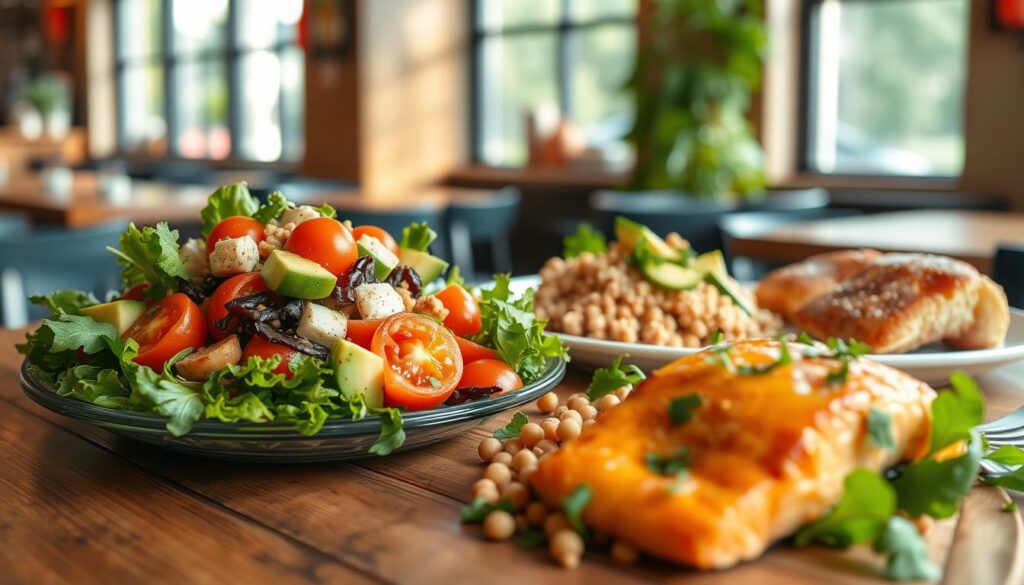
Popular salads, bowls, proteins, and swaps
Common picks: Italian Chopped Salad, California Cobb, The Wedge, and Banh Mi Power Bowl. Ask to remove crunchy toppings like wontons or tortilla strips.
| Item | Price | Calories | Vegan/Keto/Gluten‑Free Options | Allergens |
|---|---|---|---|---|
| Italian Chopped Salad (modified) | Varies by location | Varies | Can be GF if modified | Milk, Nuts (check dressing) |
| California Cobb (no tortilla) | Varies by location | Varies | Protein add-on friendly | Milk, Egg |
| Banh Mi Power Bowl (no wontons) | Varies by location | Varies | May be adapted | Soy, Milk (check sauces) |
| Take & Bake validated pies | Often similar to dine‑in | Varies | Validated GF crust options | Milk |
Note on dressings and milk: Thai peanut and lime cilantro dressings contain gluten; many dressings include milk or cheese. Swap to oil & vinegar or a safe vinaigrette you confirm in the allergen chart.
To check current prices, ingredients, and hours, use the interactive allergen tool on the brand’s site before you go. It shows up-to-date allergen flags, ingredient lists, and local hours so you can plan with confidence.
Conclusion
When choosing a safe chain meal, validation and repeatable procedures matter most.
CPK’s GIG‑validated program for five specific pies, a tested cauliflower crust, and dedicated prep steps make dining out more doable for people with celiac disease. Still, real‑world contact risk varies by location, so stay cautious.
For the safest order: pick one of the validated pizzas, avoid extra toppings, and tell staff you need strict gluten handling. Check for the visible “gluten‑free” pick or label when your order arrives.
Use the brand’s online allergen tools to double‑check ingredients, cheese and milk exposure, and local procedures before you go. When traveling, a verified process at restaurants is a clear advantage—order off‑peak, keep it simple, and ask for a manager if anything seems off.