Pizza Ranch Menu Nutrition: Calories, Prices, & More |
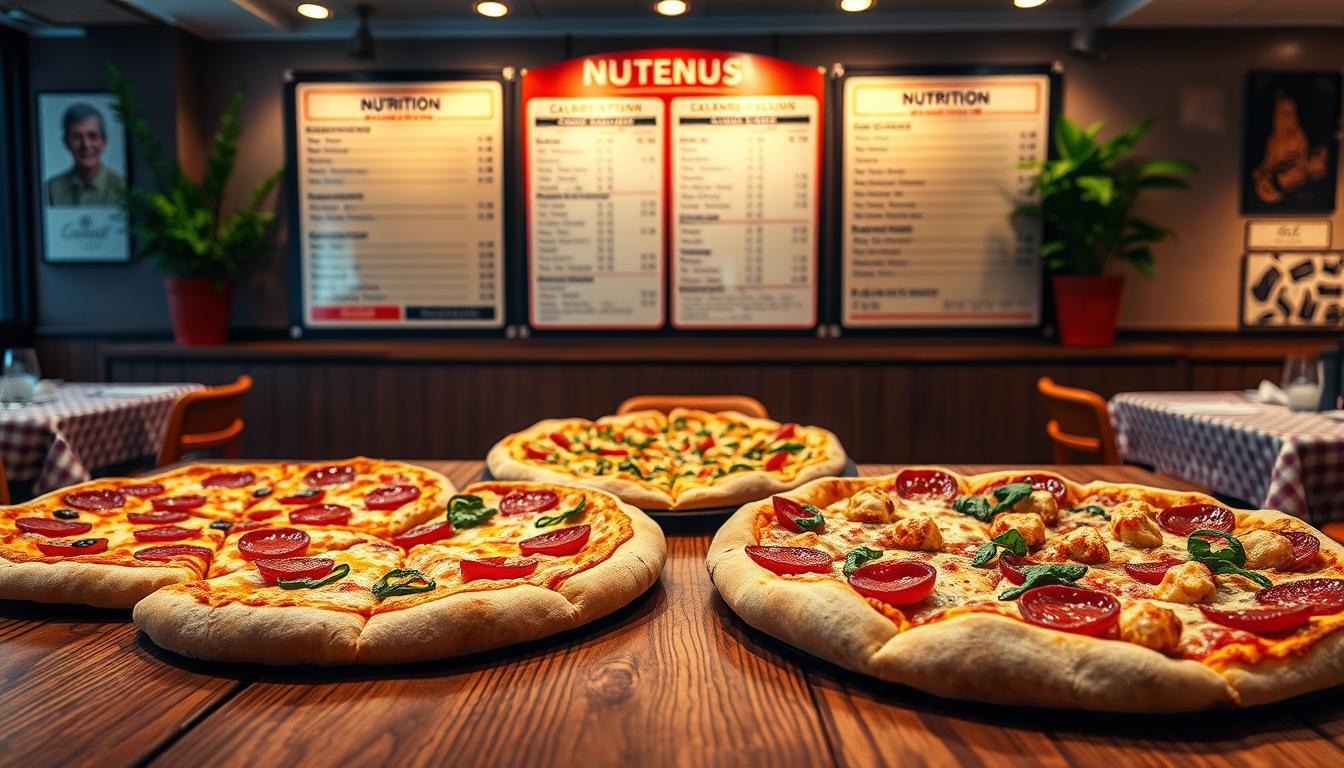
pizza ranch menu nutrition helps you plan your meal by comparing calories and choosing smarter options before you order. pizza ranch menu nutrition gives a quick answer: it’s a downloadable, itemized guide with calorie, macro, and allergen estimates so you can decide fast.
Use this guide to review pizzas, crusts, toppings, Chicken and Hot Bar favorites, sides, salads, and dressings. Numbers are estimates based on standard recipes; real portions can vary by location and prep.
The page offers an easy-to-scan dietary breakdown, including gluten-sensitive and dairy-sensitive notes. Prices also vary by store, and the article shows where to find the official PDF and confirm local costs.
Watch the big calorie drivers: crust thickness, cheese amount, meats like bacon or sausage, and creamy sauces such as ranch. Allergen lists are provided, but cross-contact can occur in a busy kitchen, so double-check if you have severe allergies.
How to Read Pizza Ranch Nutrition Data (Calories, Macros, and Serving Sizes)
Before you serve yourself at the bar, learn what each line actually means so you can estimate real intake. The key columns are calories, fat, carbs, protein, sodium, and sugar. Serving size tells you the defined portion — not always the same as what you take.
Where the numbers come from
Values combine supplier specs, USDA FoodData Central, and the ESHA Research Genesis SQL program. This pipeline makes data credible yet still estimates. Recipes and suppliers vary, so local versions can differ.
Why values shift and FDA rounding
Changes come from supplier swaps, recipe edits, prep technique, and seasonality. FDA rounding lets tiny amounts show as 0, so repeated helpings add up faster than labels suggest.
- Confirm serving size and count slices you eat.
- Note crust type and all dips or dressings.
- Watch the bar for extra cheese or sauce drizzles and multiple samples.
| Item | Calories | Protein (g) |
|---|---|---|
| Single slice (estimate) | 250 | 11 |
| Side salad | 90 | 3 |
| Small chicken piece | 180 | 14 |
Treat numbers as directional if you follow a free diet plan. Log conservatively, hydrate (try water xxx), and balance plates for steadier results.
pizza ranch menu nutrition for Pizza, Crusts, and Toppings
Start with the basics: one plain slice sets the baseline for calories and macros. That single slice shows how crust thickness and cheese amount drive totals.
Cheese pizza nutrition basics
A baseline cheese slice mainly changes with crust and cheese. Thicker crust raises carbs. Extra cheese raises fat and protein.
Sauce adds modest carbs and sodium. Meats push calories and sodium higher than veggies.
Original crust vs thin vs stuffed
Original crust gives a balanced calorie profile per slice. Thin crust usually cuts carbs per slice and lowers calories slightly.
Stuffed crust adds calories and saturated fat because of the hidden cheese ring.
Building your slice
Start with sauce, pick cheese level, then add toppings to match your goal. For lighter choices, add peppers, onions, mushrooms, or spinach.
For more protein, choose grilled chicken instead of bacon or sausage to reduce saturated fat and sodium.
Why bacon ranch styles trend higher
Crema-style dressings increase fat. Cured bacon brings extra fat and salt. Together they make each slice much richer and more sodium-dense.
- Mini-guide: swap stuffed → thin to cut calories; lower cheese to trim fat; add veggies to boost volume.
- Portion reality: two slices can become four at the buffet — count slices, not plates.
- Smart swaps: thin crust, extra veggies, choose chicken over bacon or sausage.
| Item | Typical Impact | Best Swap |
|---|---|---|
| Original crust slice | Moderate carbs, moderate calories | Thin crust for fewer carbs |
| Stuffed crust slice | Higher calories and fat | Original or thin crust |
| Bacon or sausage topping | Increases sodium and saturated fat | Grilled chicken or extra veggies |
| Veggie toppings | Lower calories, more fiber | Add for volume and nutrients |
Gluten-Sensitive Dining at Pizza Ranch (Certified Gluten-Free Crust Details)
If you are avoiding gluten, this section explains the certified gluten free crust and how to order with confidence. Pizza Ranch offers a single-size, certified gluten free crust at all locations. Each one is portioned as one adult serving and is available for dine-in, carry-out, or delivery where offered.
Safe handling and ordering
Cross-contamination steps: staff use separate sanitized utensils, bake the crust in its own dedicated pan, and place the finished crust in a box to reduce exposure.
- Gluten-sensitive defined: for diners who need greatly reduced exposure to gluten; the crust is certified gluten free but shared kitchens carry risk.
- Not available on the buffet or with Buffet Your Way; discounts and promotions do not apply to gluten-sensitive crust orders.
Toppings, hot bar items, and verification
Choose clearly gluten free toppings like grilled chicken and veggies. The hot bar changes by location; always ask staff which hot bar items are safe today.
| Item | Availability | Note |
|---|---|---|
| Gluten free crust | All locations | One size, one adult serving |
| Hot bar items | Varies | Confirm with staff before serving |
| Buffet service | Not applicable | Crust not offered on buffet |
Ingredient statement: rice flour, water, rice starch, cane sugar, canola oil, potato starch; <2% yeast, salt, leavening (sodium acid pyrophosphate, baking soda), extra virgin olive oil, xanthan gum.
How to order confidently: tell the team you need a gluten-sensitive order, confirm the dedicated pan and boxed finish, and ask which hot bar items are currently gluten free. Remember, certified gluten free ingredients lower risk but do not eliminate it entirely in shared kitchens.
Chicken, Hot Bar, and Sides Nutrition Highlights
Learn how chicken preparation, hot bar selections, and side choices change calories and sodium on a typical visit.
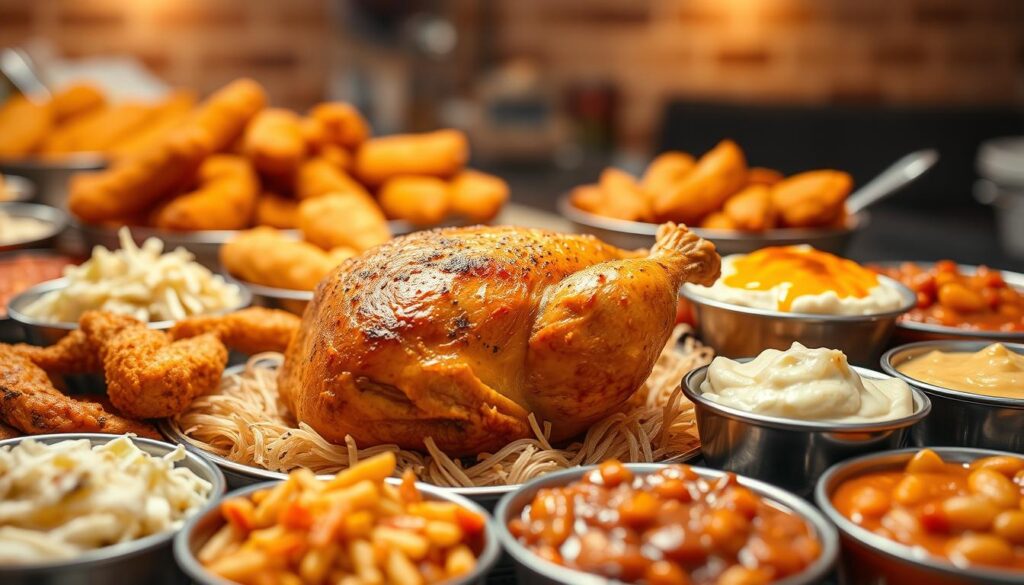
Chicken items vary most by breading and cooking method. Breaded and fried pieces add fat and calories. Grilled or baked chicken lowers those numbers and raises protein per calorie.
The hot bar uses shared equipment. Shared fryers may cause cross-contact, so avoid fried picks if you are gluten-sensitive or managing allergies. Sauces and dips also add sugars and fats quickly.
Watch the sides that add up
Waffle fries and french fries are common calorie traps. One serving can double a plate’s calories and sodium compared with produce picks.
Skillet-style items are often heavy. They frequently include extra oil, cheese, or creamy components. Portion smaller servings from the skillet to limit excess calories.
- Choose one fried item, one protein-forward pick, and one produce-heavy side for balance.
- Sample small from the bar, then return for favorites to avoid stacking heavy sides at once.
- Check the PDF for exact chicken and side values—recipes and suppliers change.
| Item | Price (est.) | Calories (est.) | Allergen Notes |
|---|---|---|---|
| Grilled chicken breast | $3.99 | 180 | Dairy-free, may contact wheat in shared prep |
| Waffle fries (side) | $2.49 | 360 | Fried in shared fryer — gluten cross-contact risk |
| Skillet-style casserole | $4.29 | 420 | Contains dairy; high sodium |
| Sweet green salad picks (small) | $1.99 | 60 | Mostly safe; check dressings |
Salads and Dressings: Ranch Dressing, Fat Free Options, and More
Salads can be a light, steady choice—or an unexpected calorie splurge depending on cheese, croutons, and especially dressing portions.
Ranch dressing vs fat free ranch: full-fat versions add fat and calories quickly. Fat free options cut fat but sometimes increase sugars or thickeners. Portion control still matters most.
Practical portion guidance
Start with 1–2 tablespoons of dressing. Taste, then add more only if needed. When offered free ranch dressing or free french dressing, ask for it on the side so you control the pour.
Comparing common dressings
- French dressing — sweet, moderately oily; raises calories fast.
- Island dressing — fruity and creamy; medium calorie density.
- Blue cheese — rich and high in fat; use sparingly for bold flavor.
Build a smarter salad: load greens and crunchy veggies first, add protein (egg or grilled chicken), skip heavy cheese or bacon, then finish with a measured dressing. Pair with a maid light beverage to keep the meal lower in calories.
| Item | Typical Impact | Tip |
|---|---|---|
| Fat free ranch | Lower fat, may include added sugars | Use 1 tbsp to test |
| French dressing | Sweet, mid-high calories | Ask for on-the-side |
| Blue cheese | High fat, strong flavor | Dilute with lemon or vinegar |
Final note: confirm exact counts in the downloadable PDF and add any cheese, bacon bits, or creamy toppings to your total when tracking intake.
Dairy-Sensitive Menu Options and Allergen Transparency
Here’s a clear guide to dairy-sensitive options, the limits of those listings, and practical ordering tips.
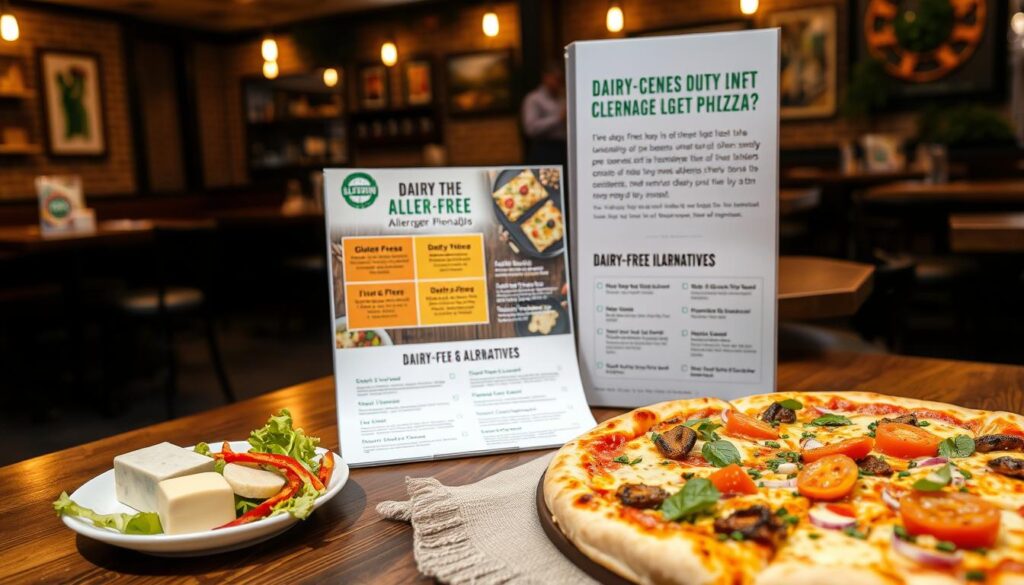
“Dairy sensitive” means an item may avoid obvious dairy ingredients but can still be exposed during prep. Use the Dairy Sensitive list as a starting point, not a guarantee.
Why availability varies by location
Some locations rotate offerings, use local suppliers, or change prep routines. That affects which items appear on the list each day.
Cross-contact reality
Shared prep areas and shared fryers can introduce allergens, so zero-allergen guarantees aren’t possible. Ask staff about today’s practices before ordering.
- Ask to see the dairy-sensitive list and confirm the specific item’s ingredients.
- Ask how the item is prepared and whether dedicated utensils or pans are used.
- Highest-risk zones: pizza lines, salad bar add-ons, and fryers—choose lower-risk pathways when sensitive.
| Action | What to ask | Why it matters |
|---|---|---|
| See dairy-sensitive list | “Can I view today’s list and ingredient notes?” | Confirms current availability |
| Confirm prep | “Is this cooked in a shared fryer or on a shared surface?” | Identifies cross-contact risk |
| Consult manager | “Can I review the official allergen PDF?” | Best step for severe allergies |
Nutrition Calculator and Calorie Filters: Finding Popular Items That Fit Your Goals
Start by setting a calorie cap and let the tool show comparable options side by side.
Use a nutrition calculator to narrow choices before you arrive. Filter by calories to compare buffet plates with ordered items. This saves time and reduces impulse picks.
Filter workflow: quick, like-for-like comparison
First, set a calorie limit. Next, filter results and group similar foods—slices by crust, chicken by cooking style, or salads by dressing.
Compare items that match portion size so you judge apples-to-apples. Then shortlist two or three favorites to review in the official PDF.
Goal-based shortcuts
- Higher-protein: choose grilled chicken, eggs, or measured cheese for better protein per calorie.
- Lower-calorie: pick thin crust, veggie-forward slices, or lighter salad builds with dressing on the side.
- Lower-sodium: avoid cured meats and salty sides; favor fresh vegetables and plain grilled proteins.
Popular items don’t always match your goals. Filter first, then pick the flavor you’ll enjoy. For buffets, plan one main favorite and fill the rest with low-calorie volume foods like greens and bell peppers.
| Action | Why it helps | Quick tip |
|---|---|---|
| Filter by calories | Limits visible options | Set a realistic cap |
| Compare similar items | Shows true trade-offs | Match crust to crust; chicken to chicken |
| Save top 3 picks | Speeds ordering | Screenshot or note them |
Use the nutrition calculator and filters to shortlist choices, then confirm details in the official pizza ranch menu nutrition PDF before ordering.
Conclusion
Smart ordering starts with clear choices: pick a serving size, choose a thinner crust, and limit high-fat add-ons for steadier results.
Verify and customize by checking the official downloadable nutrition/allergen PDF before you go. Adjust portions—one slice instead of two, dressing on the side, or swapping to thin crust—to match your goals.
You can still enjoy favorites like cactus bread; just portion it intentionally. Occasional specialty picks such as a sausage breakfast can fit when balanced with lighter choices that visit.
Safety note: shared prep areas and fryers can cause allergen cross-contact. If you are gluten-sensitive or dairy-sensitive, confirm handling steps with staff at your location.
Final step: review the Pizza Ranch nutrition/allergen list, shortlist two or three top items, and walk in knowing what you’ll order.